

Designing for decarbonization and circularity: in conversation with Justo Orgaz
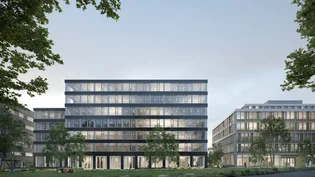
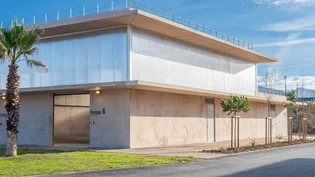
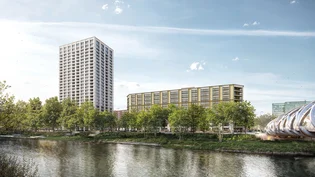
In the Spanish architectural landscape, balancing low-carbon performance with circular design principles has become a crucial milestone for urban transformation. Architectural practice trasbordoarquitectura recently collaborated with Holcim to design the sustainable extension of the Escuela Suiza de Barcelona (Swiss School of Barcelona).
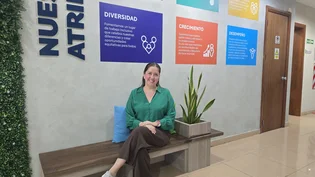
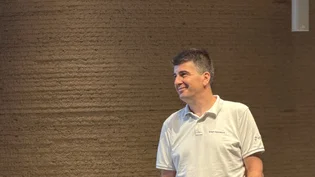
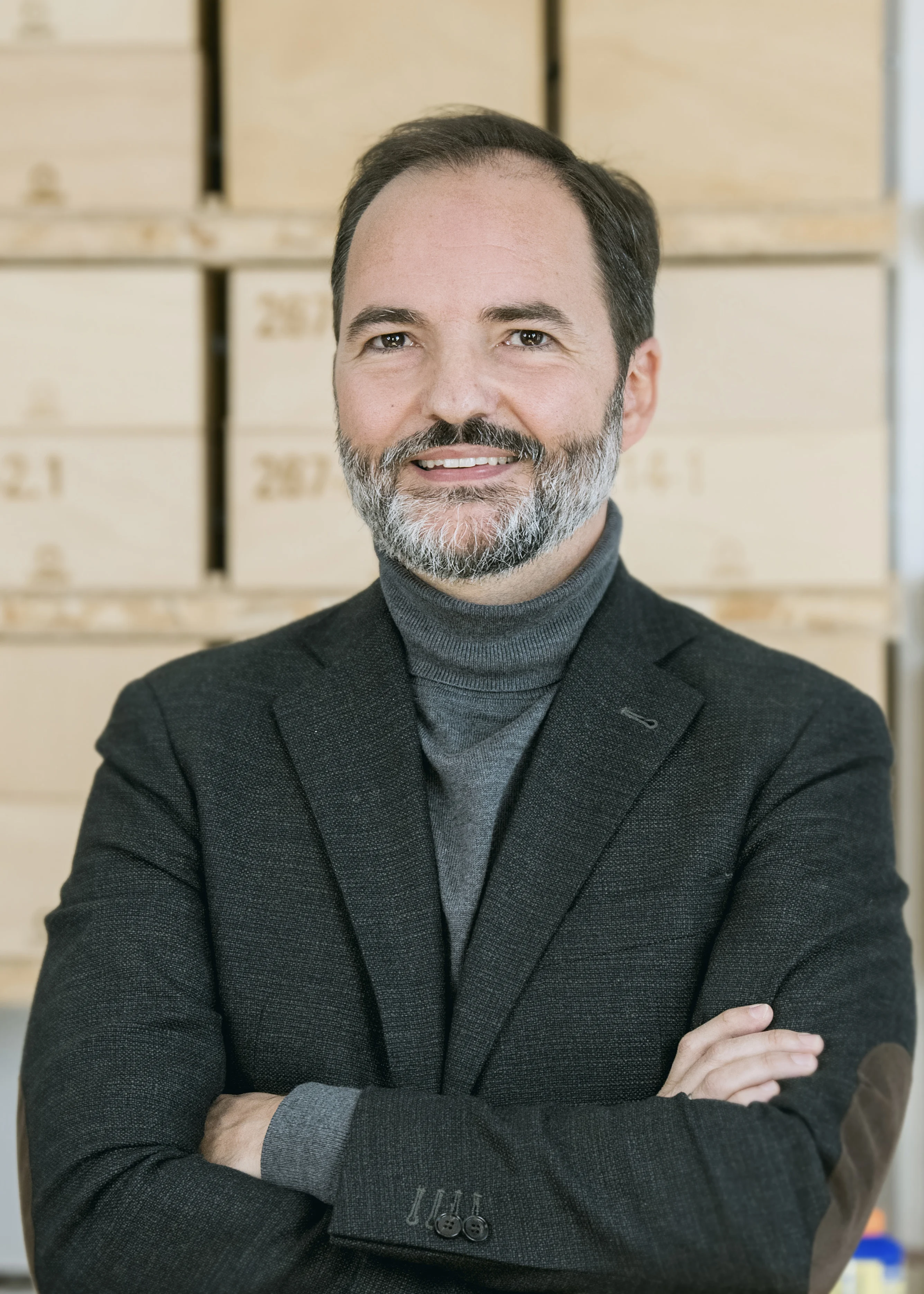
Justo Orgaz (Architect, Founder of trasbordoarquitectura, and President of Green Building Council Spain) spoke with us about his vision for decarbonizing building structures, integrating circular materials, and driving industry-wide systemic change.
What drove your approach to incorporating circularity and low-carbon materials in recent projects like the Escuela Suiza de Barcelona?
Our primary objective at trasbordoarquitectura is to rethink how we design structural systems so that environmental impact is minimized right from the initial sketch. In the extension of the Escuela Suiza de Barcelona, we set out to demonstrate that low-carbon, circular architecture can be achieved without compromising structural integrity or aesthetic expression.
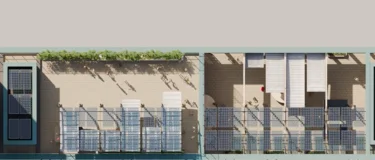
We selected a hybrid structural system combining low-carbon concrete, steel, and timber. By leveraging Holcim's low-carbon building solutions such as ECOPact and ECOCycle and optimizing material placement, we succeeded in reducing the embodied carbon in the production phases (A1–A3) by 45% compared to conventional construction solutions. Circularity isn't just about managing demolition materials at the end of a building’s life, it begins at the very start of the value chain when choosing raw materials.
How do you balance structural efficiency with environmental criteria when choosing building solutions?
Architecture must respond to functional demands while actively mitigating climate impacts. Concrete remains an indispensable building block for modern infrastructure and dense urban environments, but we need to rethink its formulation and usage.
When we designed the Holcim space at the Barcelona International Convention Center – featuring four structural totems that serve as full-scale architectural samples – our goal was to showcase tangible, scalable pathways toward decarbonization. Each element integrated circular and low-carbon solutions, such as calcined clays, recycled aggregates, pozzolans, and biochar technologies capable of permanently storing carbon within buildings. The key is selecting the right material for the right application, ensuring every structural choice serves both the building's longevity and its carbon reduction goals.
What role do partnerships with material suppliers like Holcim play in advancing sustainable architecture?
Transforming the construction sector requires deep collaboration across the entire value chain. As architects, we can envision ambitious low-carbon concepts, but turning those concepts into scalable real-world structures depends on innovative partners who can supply innovative, high-performance materials.
Working with Holcim allows us to test cutting-edge formulations – from circular concretes utilizing recycled demolition aggregates to carbon-sequestering composites. Suppliers of this scale bring the research capabilities, technical rigor, and industrial capacity needed to make circular and low-carbon solutions economically viable and broadly replicable across the market.

Escuela Suiza de Barcelona (Swiss School of Barcelona)

Escuela Suiza de Barcelona (Swiss School of Barcelona)

Escuela Suiza de Barcelona (Swiss School of Barcelona)
Looking forward, how can the wider architectural community accelerate the shift toward net-zero built environments?
As architects and industry leaders – including through my work with Green Building Council España – we must view sustainability not as an optional add-on, but as an essential design framework. We need a systemic shift that addresses both operational efficiency and embodied carbon.
This means prioritizing circular refurbishments, designing for disassembly, specifying low-emission materials, and adopting whole-life carbon assessments on every project. By combining smart design strategies with technical material innovation, we can build spaces that serve society while safeguarding our planet's future.
Our stories