
le-teil-ecapt-rhone-img0047.jpg

eCapt-Rhône carbon capture project

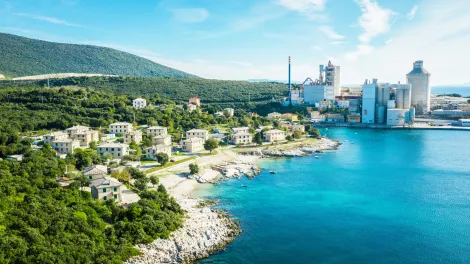
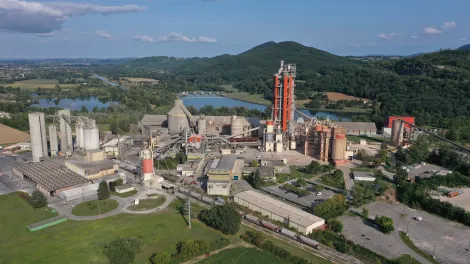
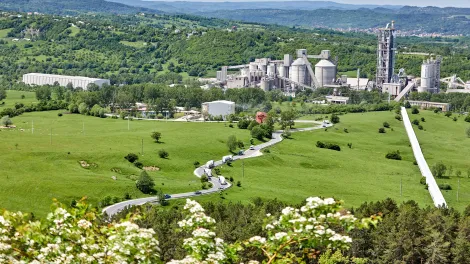
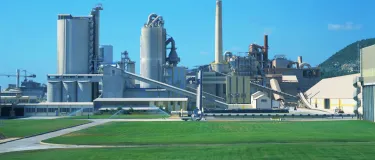
The eCapt-Rhône project uses renewable hydrogen production and CO2 captured from Holcim’s cement plant in Le Teil to generate e-methanol. It is set to become the first large-scale plant in France to produce 138 kilotons (kt) of e-methanol per year. The project aims to replace about 20% of current French methanol consumption by providing locally produced e-methanol to industrial firms, thereby reducing CO2 emissions by 70%. 

The plant’s goal is to capture 100% of CO2 emitted – around 200,000 tons – annually, before the end of the decade. In 2023, it received a grant from the EU Innovation Fund.

ecapt-rhône at a glance

  • First large-scale plant in France producing high-quality e-methanol

  • End-of-pipe PSA and cryogenic carbon capture

  • 200,000 tons CO2 captured annually

  • EU Innovation Grant funding

  • Cutting-edge project using latest capture technology

  • Conversion 
    utilization pathway

The technology behind the project

The eCapt-Rhône project is driven by three technological processes:

  • Carbon capture: a fully electric and chemical-free solution will be used. This involves both boosting oxygen levels in the kiln line and using end-of-pipe cryogenic carbon capture technology.
  • Hydrogen production: a 170 MW electrolyser powered by low-carbon energy will produce 27 kt/y of green hydrogen.
  • E-methanol production: a first-of-its-kind high capacity reactor will be able to provide 138 kt/y of methanol.

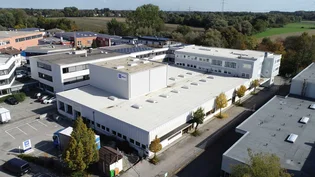
The capture brick will be located at Le Teil cement plant while the hydrogen and e-methanol production infrastructure will be installed at the Osiris chemical platform, located just 100 km from the plant. Transportation will be managed by rail.

ecapt-rhone-le-teil.jpg
ccus_thomas-de-charette_nest.00_01_50_49.still002.png

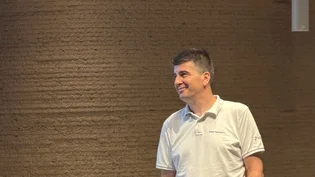
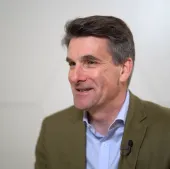
The eCapt-Rhône project has an important role to play in the industry, both by making the large-scale capture of CO2 in a cement plant a reality and by producing e-methanol directly amidst industrial consumers.

Thomas de Charette | Head of Decarbonization, Holcim France

More on Holcim's CCUS journey

greece_carbon_capture_milaki

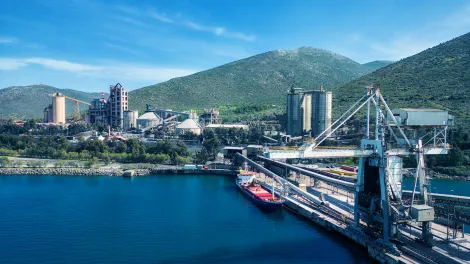
OLYMPUS is a flagship project in Holcim’s European decarbonization roadmap. It will lead to the development of storage capacity in southern Europe.

holcim_legerdorf_panoraman_ccus

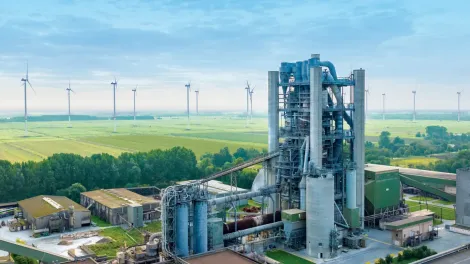
The Carbon2Business project at our cement plant in Lägerdorf, Germany aims to capture more than 1.2 million tons of CO2 emissions annually.

kujawy_Go4ECOPlanet.jpg

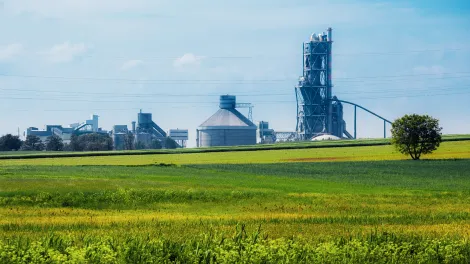
Go4ECOPlanet will install a unique facility to capture 100% of CO₂ emissions generated during the production of clinker – the key ingredient in cement production.

obourg-go4zero-poppies.jpg

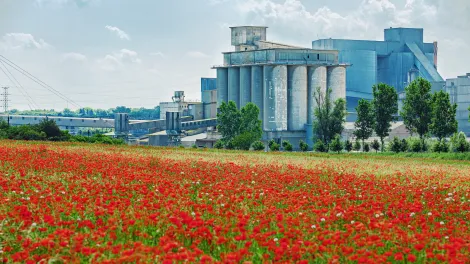
In Belgium, the GO4ZERO project will deploy an innovative carbon capture technology at our plant in Obourg, and transport CO2 for offshore storage under the North Sea.

koromacno_kodeco.jpg

The KOdeCO project aims to make Holcim’s Koromačno plant the first to produce near-zero cement in Croatia and the Mediterranean.

photos-29-aout-2024-002.JPG

CarboClearTech will sequester 700 000 tons of residual CO2 emissions at our plant in Martres-Tolosane, France, contributing to the region's sustainability objectives.

img_3297.jpeg

The Carbon Hub CPT01 carbon capture and storage (CCS) project will be installed at Holcim’s cement plant in Câmpulung, Central Romania. It will enable Holcim to produce 2 million tons of near-zero cement per annum.

Our stories
slide left
slide right